
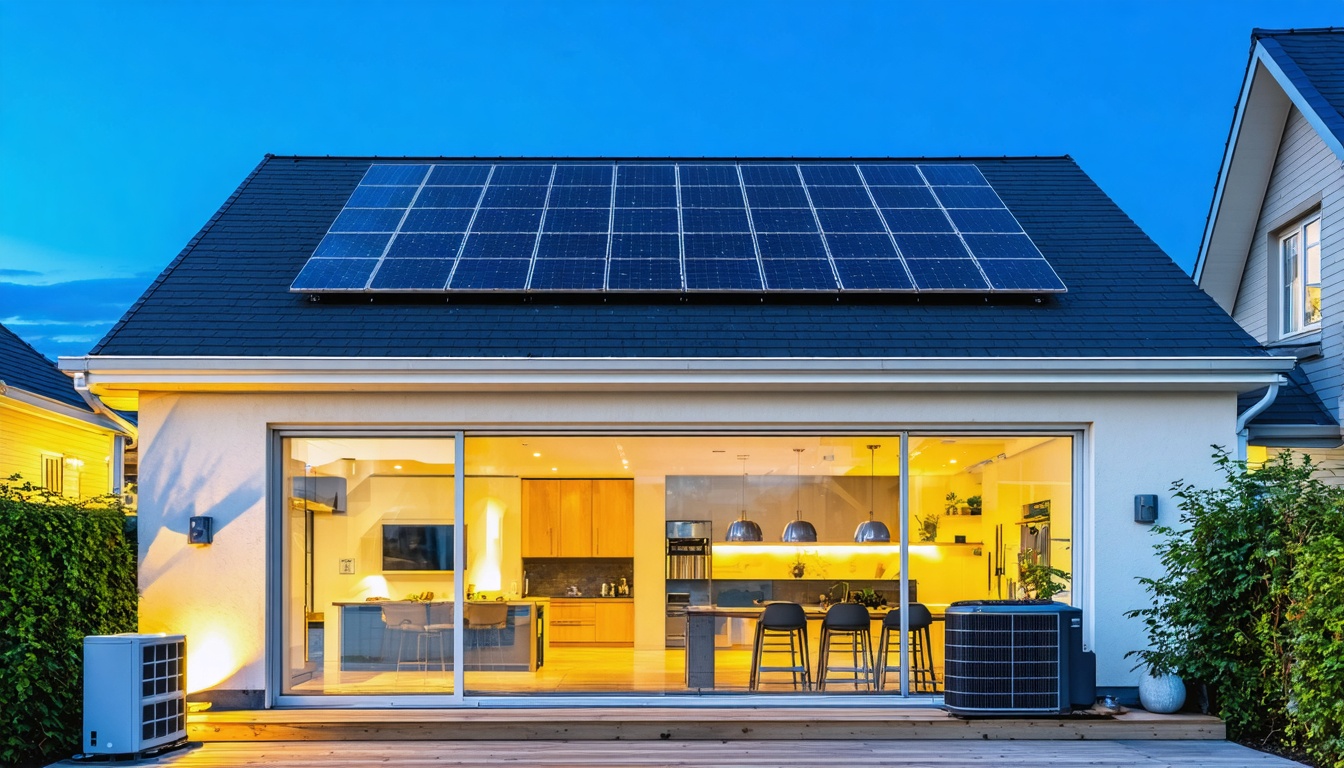
Home Energy Efficiency Improvements That Complement Solar Power
When considering ways to reduce energy expenses and enhance the financial benefits of solar energy systems, it is important to evaluate your home's overall energy efficiency. Improving insulation, sealing air leaks, and upgrading to energy-efficient appliances can provide both environmental benefits and cost savings throughout the year. The selection of windows and the implementation of smart technology for energy management can also contribute to these efficiencies. Research indicates that investments in these areas can lead to significant reductions in energy use, thereby maximizing the effectiveness of solar energy systems. Analyzing which improvements yield the highest returns requires examining factors such as initial costs, potential energy savings, and the impact on overall home comfort. Careful consideration of the timing of these upgrades can also influence their effectiveness, particularly in relation to the installation of solar panels. By prioritizing energy efficiency measures in conjunction with solar power, homeowners can enhance their investment and contribute to a more sustainable energy future.
Enhancing Insulation and Air Sealing
The installation of solar panels can significantly reduce electricity expenses; however, optimizing energy use through enhanced insulation and air sealing is essential. Programs such as NYSERDA's Comfort Home offer financial assistance and resources for homeowners aiming to improve their energy efficiency.
By employing air sealing techniques, including weatherstripping and recaulking, homeowners can effectively reduce heat loss, which supports New York State's Clean Energy initiatives and can improve indoor air quality.
In addition, integrating insulation improvements during new construction or renovations can bolster overall energy performance.
The EmPower+ program aims to provide cost-effective solutions and expert support specifically for underserved communities, thereby improving access to energy efficiency enhancements.
By increasing the efficiency of heating and cooling systems, as well as water heaters, homeowners can not only realize savings on their utility bills but also have a positive impact on broader community and climate justice initiatives.
Upgrading to Efficient Windows and Doors
Upgrading to high-efficiency windows and properly sealed doors is a practical approach to mitigate energy loss commonly observed in residential buildings. When selecting these products, it is recommended to choose those with the National Fenestration Rating Council (NFRC) label. This label allows for an objective comparison of energy efficiency among various options that are applicable for homes, condominiums, and multi-use high-rise buildings.
Implementing these upgrades can yield several benefits, such as reduced heat loss, improved indoor air quality, and enhanced compatibility with solar energy systems. These factors collectively contribute to increased energy savings.
Additionally, retrofitting existing windows with materials like caulking or window films can further boost energy efficiency. Reports and guidelines are available that provide in-depth information on effective air sealing techniques.
The installation of efficient windows and doors also holds significance in the context of social equity, as it may help reduce the energy burden faced by underserved communities. Enhancing energy performance in residential buildings contributes to climate justice initiatives and seeks to address disparities in energy costs across different demographic groups.
Improving Heating and Cooling Systems
As the demand for energy-efficient home solutions continues to grow, upgrading heating and cooling systems can significantly improve the use of solar power in residential settings. Heat pumps, which include air source and ground source models, have proven to be effective for both heating and cooling purposes, resulting in notable energy savings over time.
The New York State Energy Research and Development Authority (NYSERDA) implements the NYS Clean Heat program, which provides financial support through funding and rebates that assist homeowners in transitioning to electrified heating and cooling systems.
Moreover, enhancing air sealing and insulation can further improve indoor air quality and comfort levels within homes. The adoption of smart thermostats can optimize energy use, and tax credits, along with access to professional guidance, can facilitate upgrades in various residential settings, such as condominiums, multifamily units, and community developments.
It is crucial to approach these improvements through the lens of energy efficiency and climate justice, ensuring that access to these resources is fair and attainable for diverse populations.
Boosting Water Heating Efficiency
Upgrading water heating systems is a critical action for improving the overall efficiency of solar energy utilization in residential environments.
The adoption of energy-efficient heat pump water heaters is associated with reduced energy expenses and can enhance indoor air quality by lowering emissions.
Incentive programs like NYSERDA's NYS Clean Heat initiative provide financial support for integrating these technologies, which can particularly benefit condominiums, multifamily dwellings, and underserved communities.
Additionally, the implementation of geothermal heating systems, which encompass both ground source and air source options, is significant for electrifying heating infrastructure in alignment with sustainability objectives.
Consulting with qualified professionals is recommended to assess potential enhancements suited to individual properties.
By making these efficiency upgrades, homeowners can improve their energy savings while also contributing to broader community initiatives focused on climate justice and sustainable development.
Integrating Low-Flow Fixtures for Water Conservation
The installation of low-flow fixtures is an effective measure for improving water and energy efficiency in residential settings. Choosing WaterSense-labeled fixtures—such as faucets, showerheads, and toilets—can lead to substantial reductions in water consumption. This aligns with overarching goals related to energy efficiency and climate justice.
Organizations like the New York State Energy Research and Development Authority (NYSERDA) offer resources, including funding opportunities and expert guidance, targeting various types of residences including single-family homes, condominiums, and multifamily buildings.
Reducing water usage can result in diminished energy demands, especially in relation to the heating of water by conventional water heaters or solar heating systems. This reduction in energy use can benefit households economically while contributing to broader environmental sustainability objectives.
Detailed reports are available that analyze efficient technologies, operational management, and strategic methods for the effective integration of low-flow systems.
Attention is also paid to underserved communities, ensuring that they have access to resources for implementing these water conservation improvements and clean energy initiatives. This focus is essential for ensuring equitable benefits from water conservation technologies across diverse populations.
Transitioning to Energy-Efficient Appliances
Transitioning to energy-efficient appliances is an effective strategy for reducing household energy consumption and lowering utility bills. The adoption of Energy Star® certified products, such as heat pump water heaters, efficient HVAC systems, and induction cooking equipment, can significantly decrease energy expenditures while also improving indoor air quality.
Organizations like the New York State Energy Research and Development Authority (NYSERDA) offer resources, including funding opportunities, expert guidance, and training, to facilitate this transition for homeowners. This assistance is relevant for a variety of housing types, including condominiums, multifamily residences, and mixed-use high-rise buildings.
In addition to upgrading appliances, implementing measures such as air sealing, installing new doors and windows, and using ground source or air source heating systems can further improve energy efficiency.
These enhancements contribute to energy savings and align with broader initiatives centered around renewable energy development, climate justice advocacy, and state policies focused on minimizing carbon emissions.
The systematic implementation of these strategies can help households lower their energy consumption and support environmental sustainability goals.
Implementing Smart Thermostats and Controls
Efficient home climate control plays a significant role in energy savings, with smart thermostats and controls offering a viable solution for modern households. When integrated with solar energy systems, these technologies enable homeowners to better manage their heating and cooling requirements, including options such as space heating and air-source or geothermal heating.
This integration facilitates real-time energy monitoring, which allows users to analyze and understand their energy usage patterns. Homeowners and building managers can also access a variety of resources, such as programs from the New York State Energy Research and Development Authority (NYSERDA), tax incentives, and funding aimed at improving energy systems.
Seeking expert guidance can further enhance building management practices, applicable to individual condominiums, community facilities, or multifamily commercial properties.
Moreover, implementing smart technology can help achieve broader goals, including improving indoor air quality and supporting disadvantaged communities through effective and dependable energy solutions.
These initiatives can contribute to a more sustainable approach while addressing the unique challenges faced by diverse populations.
Leveraging Solar Energy Solutions
Combining energy-efficient upgrades with solar energy solutions can improve a home's overall performance and reduce monthly utility costs. Homeowners in Virginia can consult with local solar installers like Virginia Solar Installers to optimize their solar systems, as measures such as air sealing, insulation, high-performance doors and windows, and efficient heat pump water heaters can enhance the effectiveness of solar systems in offsetting energy consumption.
Programs offered by the New York State Energy Research and Development Authority (NYSERDA) provide resources for selecting systems that electrify infrastructure, encourage clean transportation, and support induction cooking solutions, all of which can positively affect indoor air quality.
These resources extend to multifamily residences, condominiums, and mixed-use high-rise buildings, as well as strategic reports that analyze the energy outlook for various types of buildings, campuses, and businesses.
Moreover, exploring career opportunities in the green sector can enhance community efforts focused on sustainability.
These strategies not only aim to reduce energy expenditures but also facilitate investments in technologies that are aligned with clean energy objectives and environmental stewardship.
Utilizing Financial Incentives and Rebates
Navigating the costs associated with home energy upgrades can be managed through various financial incentives and rebates designed to enhance energy efficiency.
Programs such as NYSERDA's Comfort Home offer funding opportunities for essential improvements, including air sealing and insulation. Additionally, the federal Inflation Reduction Act (IRA) provides a 30% tax credit for solar installation costs, which supports the development of renewable energy sources.
Moreover, Clean Heat rebates are available for the installation of advanced technologies, including heat pump water heaters, air source heat pumps, and ground source systems, contributing to infrastructure electrification and improving overall home efficiency.
Community initiatives, such as Community Solar projects, also aim to increase access to these upgrades, particularly for underserved communities.
For a detailed understanding, resources from New York State's Clean Energy program provide strategic policy reports, expert guidance, and practical advice, all of which can help individuals and homeowners maximize available financial opportunities related to energy upgrades.
Conclusion
Making targeted upgrades to your home can significantly enhance energy efficiency and complement the investment in solar power. Key areas of focus include improving insulation, upgrading windows, and selecting energy-efficient appliances. These changes can lead to reduced energy consumption, which in turn can lower utility bills. Enhancing insulation helps maintain consistent indoor temperatures, thereby reducing the reliance on heating and cooling systems. Upgrading windows to double or triple glazing can mitigate heat loss and improve comfort. Incorporating energy-efficient appliances can further reduce energy usage as they are designed to consume less electricity while performing the same functions as standard appliances. Additionally, the implementation of advanced control systems enables homeowners to monitor and manage their energy usage more effectively, optimizing energy expenditure. The use of renewable energy sources, alongside solar power, can further decrease overall energy costs. It is also advisable for homeowners to explore available financial incentives and rebates for energy efficiency improvements. Such programs can provide monetary assistance, making the initial investment more manageable and potentially increasing the return on investment over time. Implementing these improvements not only supports a reduction in carbon footprint but also positions homeowners to achieve ongoing energy savings and enhanced comfort levels in their living spaces.